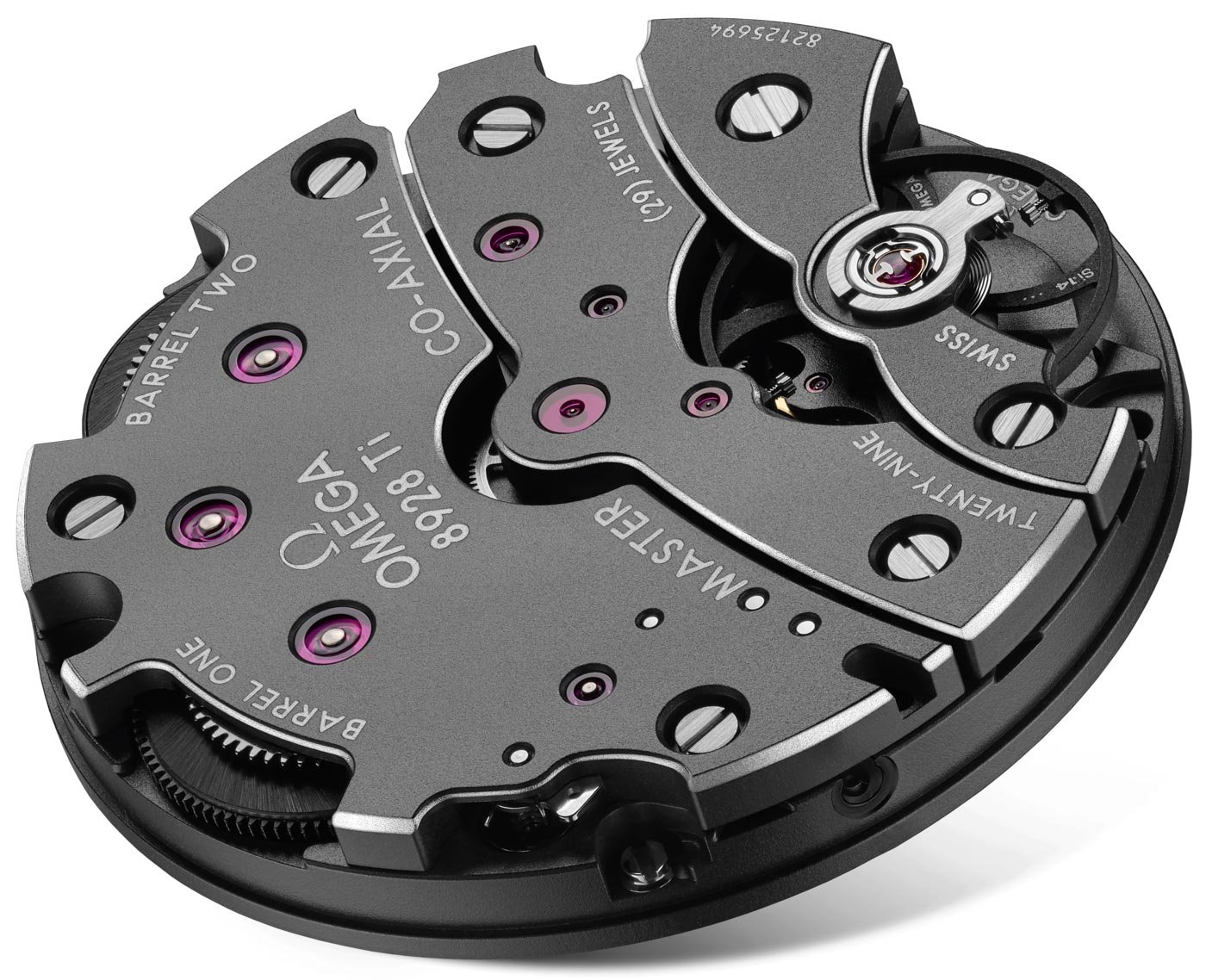

The mountain bike culture in the nineties was dominated by anodized purple everything, day-glo spandex, bad suspension designs, and titanium mountain bikes for the really cool people. Regretfully, I wasn’t as cool as my older brother, and I was envious of his Litespeed titanium bike. Robust, lightweight, and possessing a rich gunmetal sheen that is exclusive to titanium. It was and still is the height of sacrilege to paint titanium. While there may not seem to be many similarities between mountain biking, EDC, and aerospace, they are all driven by the need for materials that are affordable, lightweight, corrosion-resistant, robust, and able to be machined using relatively common tools. (To be explicit, titanium is more challenging to
Titanium has a density of 4.5g/cm3, which is substantially less than that of stainless steel, which has a density of about 8.0g/cm3. In practical terms, this implies that titanium will wear substantially lighter on the wrist. To put this into context, the weight of a Rolex Oyster Perpetual 39 is 131g, while a titanium Grand Seiko SBGA211 (Snowflake) is about 100g. Even though 31g might not seem like much, bigger watches, such as divers, show the difference more noticeably; for example, weigh the 212g Rolex Sea-Dwelle against the 157g Tudor Pelagos.
Power and Sturdiness
Moreover, titanium has a Vicker’s rating of about 350 HV, which is higher than stainless steel’s usual 150–200 HV. This may seem contradictory because titanium appears to scratch more readily than stainless steel in real-world applications. But the reason for this is that titanium’s surface naturally develops an oxide layer that is fairly prone to scratches. The benefit is that surface scratches may be easily touched up using a fiberglass pen.
.